Cart
0

With winter quickly approaching, there are many hazards that dog owners may not be aware of. Cold weather and shorter days bring unique challenges, requiring extra care to keep our furry friends safe and comfortable.
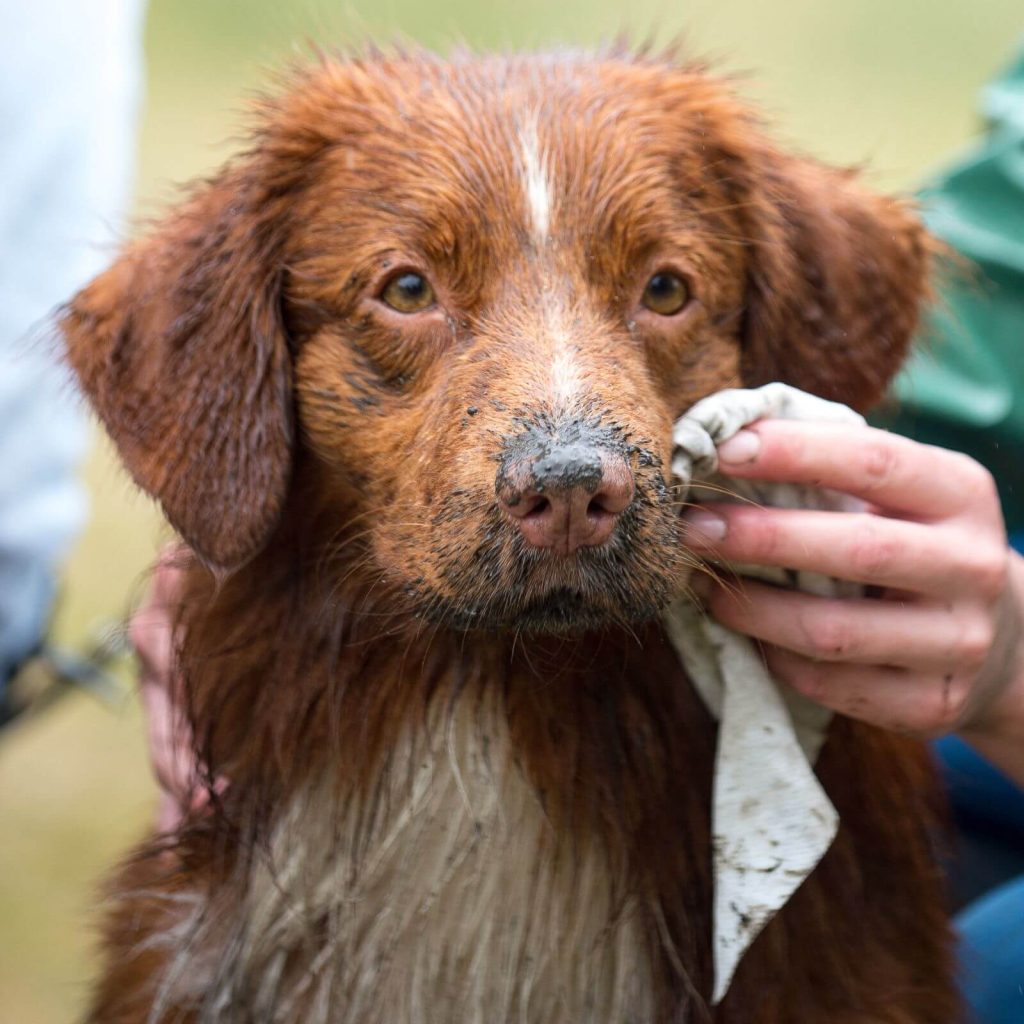
While walking your dog, you may encounter various hazards such as snow, ice and salt that can irritate your dog’s paws. In areas where these are common, consider using dog boots or paw wax to protect their feet. After walks, be sure to wipe your dog’s paws with a damp cloth to remove any salt or chemicals, as these can be harmful if licked off. Be cautious around ice and avoid frozen bodies of water. Ice can be deceptive, and even a thick-looking layer may not support your dog’s weight, posing a risk of falling through. If it snows this winter, avoid prolonged outdoor playtime in freezing temperatures, as dogs are vulnerable to frostbite, particularly on their ears, paws, and tail. Frostbite can cause the skin to become pale, hard, and cold, while symptoms of hypothermia include shivering, lethargy, and difficulty breathing. As the evenings grow darker, make sure you are keeping safe on your walks. Ensure that your dog is visible by using reflective gear, bright collars, or LED lights to help drivers and other walkers see you both clearly in low light.
If you have a smaller or short-haired dog, they may benefit from wearing a coat or sweater in colder temperatures when out for walks or outings. Make sure the clothing fits the dog well, covering their belly and back while allowing full freedom of movement. Colder weather can be especially challenging for older dogs, as it can worsen arthritis or joint pain, leading to stiffness and discomfort. Senior dogs often have poorer circulation, making them more sensitive to the cold, so be sure to provide extra warmth for them during outdoor time. For dogs of all ages, if the weather is especially cold, consider taking a shorter walk and encourage indoor activity to help burn off the extra energy. Puzzle toys, hide-and-seek and tug-of-war are great options for keeping them engaged and expending energy.
Antifreeze is extremely toxic to dogs, and its sweet taste can attract them. Keep antifreeze stored safety and clean up any spills right away. Make sure to watch out on roads and sidewalks, too, as even tiny amounts of antifreeze or chemical de-icers can be dangerous if ingested by your pet.
A warm spot for your dog helps reduce stress and provides quality rest, which is essential for their immune system and overall well-being during the colder months. A cosy spot for your dog also helps them to conserve body heat, saving energy they’d otherwise use to stay warm. Because of this in winter, when dogs have to use energy to stay warm they may need to be fed more but take care not to overfeed. Keep an eye on their weight and adjust portions according to their activity levels and time spent outside.
Following these guidelines will help keep your dog happy and healthy this winter, making the season stress-free for both of you. Shop on our website or stop by one of our three stores to pick up gear that will keep your dog visible and safe this winter. Feel free to ask our friendly team for further recommendations.